Source Hand Fuel Pump for Cars, Trucks, and Ships
Compare 30 hand fuel pump listings from Chinese manufacturers offering electric and manual options. Buyers can evaluate specifications like stroke type, material, and delivery times to find suitable units for motorcycles, cars, trucks, and ships.
Key considerations
Products List


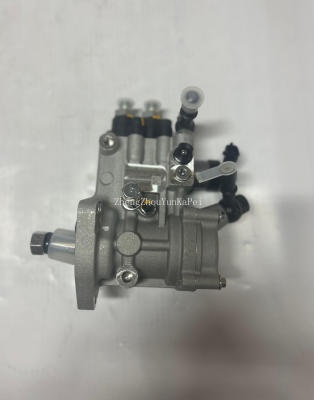


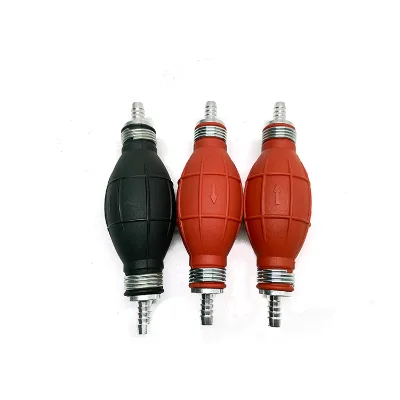


Comprehensive Sourcing Guide
Hand Fuel Pump Sourcing Guide
Sourcing hand fuel pumps requires a disciplined approach to distinguishing between simple manual transfer tools and complex, integrated fuel system components. The market presents a wide array of products, ranging from basic portable units for emergency refueling to specialized electronic fuel savers and OEM replacement parts for heavy machinery. Buyers must first clarify whether their procurement need is for a standalone manual device or a component integrated into a larger assembly, such as a fuel tank or generator system. This distinction dictates the technical specifications, compliance requirements, and supplier qualifications necessary for a successful procurement cycle.
The observed market signals indicate a diverse product landscape with significant variation in materials, power sources, and intended applications. Listings reveal products constructed from aluminum bodies with stainless steel rubber components, while others are categorized under electronic fuel saver types or specific generator applications. Understanding these divergent categories is critical before engaging with suppliers, as the verification steps for a simple manual pump differ vastly from those required for an electrically assisted or OEM-certified fuel system component.
Product Scope and Observed Listing Signals
The current market listings for hand fuel pumps exhibit a broad spectrum of product types, making it essential to categorize items accurately based on their functional attributes. Observed data includes products labeled explicitly as "fuel hand pump" with specific dimensions, alongside items described as electronic fuel savers or components for diesel generators. Some listings highlight "External Engaged" mesh forms and multi-cylinder compatibility, suggesting that the term "hand fuel pump" may sometimes be used loosely to describe broader fuel system accessories or replacement parts for specific vehicle makes like Toyota. Buyers must carefully scrutinize product titles and descriptions to ensure the item matches the intended mechanical or electronic function.
Material composition and construction quality are primary differentiators in this category, with observed listings specifying aluminum bodies and stainless steel rubber elements. These material choices directly impact durability, chemical resistance, and suitability for various fuel types, including diesel. Additionally, the presence of "OEM" and "Standard Component" tags indicates that many suppliers offer parts designed to replace original equipment manufacturer specifications. Procurement teams should verify whether the observed material specifications align with the operational environment, particularly if the pump will be used in marine, land, or helicopter applications where corrosion resistance and reliability are paramount.
Technical Specifications to Verify
Technical verification begins with confirming the power source and operational mechanism of the pump. While traditional hand pumps are manually operated, observed listings include products with "Electric" power attributes and "Electronic" fuel saver types, indicating a hybrid or automated functionality. Buyers must explicitly confirm whether the device requires an external power source, such as DC output, or operates purely on manual force. This distinction is crucial for applications where power availability is limited, such as in remote land use or marine environments, and affects the complexity of the installation method, which may range from portable setups to fixed installations.
Dimensional and capacity specifications require precise validation to ensure compatibility with existing fuel systems. Observed data points to specific package sizes, such as 60x38x25cm, and component specifications like 6mm, 8mm, 10mm, and 12mm diameters. These measurements likely refer to hose lengths, inlet/outlet diameters, or overall unit dimensions, all of which must be cross-referenced with the buyer’s infrastructure. Furthermore, the stroke type, noted as "4 Stroke" in some listings, typically applies to engines rather than pumps, suggesting a potential misclassification in some product data. Buyers must clarify if this refers to the pump’s mechanical action or if it is an error, ensuring that the selected pump matches the required flow rate and pressure specifications for the target application.
Compliance and Safety Documentation
Compliance verification is a critical step in sourcing hand fuel pumps, particularly when dealing with products intended for international trade or regulated industries. Observed listings frequently cite a range of certifications, including CE, ISO, CCC, E-MARK, RoHS, and Ts16949. These certifications indicate adherence to specific regional and industry standards, such as European safety directives, Chinese compulsory certification, and automotive quality management systems. Buyers must request valid certification documents for the specific model being purchased, as the presence of a certification label on a listing does not guarantee that every unit or variant meets the required standard.
Safety and environmental standards are equally important, especially for products involving fuel handling. RoHS compliance, for instance, restricts the use of hazardous substances, which is vital for environmental protection and worker safety. Additionally, the "International" standard designation suggests that the product may meet globally recognized benchmarks, but buyers should verify which specific international standards are referenced. For applications in marine or helicopter contexts, additional safety protocols may apply, requiring documentation that the pump materials are compatible with specific fuel types and resistant to environmental stressors.
Cost Drivers and Commercial Terms
Cost structures for hand fuel pumps are influenced by material quality, certification levels, and customization options. Products featuring aluminum bodies and stainless steel components typically command higher prices due to the cost of raw materials and manufacturing complexity. Customization availability, as noted in several listings, can also impact pricing, as OEM specifications or unique packaging requirements may incur additional setup fees. Buyers should request detailed quotations that break down costs by material, labor, and certification, allowing for accurate comparison between suppliers offering similar technical specifications.
Commercial terms, including minimum order quantities (MOQ) and delivery lead times, vary significantly across the market. Observed MOQ ranges from 1 to 3000 units, catering to both small-scale buyers and large industrial purchasers. Delivery times are also diverse, with some suppliers offering rapid dispatch after payment, while others require longer production periods. Packaging methods, such as standard export plywood cases or neutral cartons, affect shipping costs and product protection. Buyers should negotiate terms that align with their inventory management strategies, considering the trade-off between lower unit prices for larger orders and the flexibility of smaller, more frequent shipments.
Supplier Qualification and Quality Control
Supplier qualification requires a thorough assessment of manufacturing capabilities and quality assurance processes. Given the prevalence of OEM and standard component designations, buyers should verify the supplier’s ability to produce parts that meet original equipment specifications. This includes reviewing their production facilities, quality control protocols, and history of fulfilling similar orders. Suppliers claiming "International" standards should provide evidence of their quality management systems, such as ISO 9001 certification, to ensure consistent product quality and reliability.
Quality control measures should be integrated into the procurement process, particularly for high-volume orders. Buyers should establish clear acceptance criteria based on the observed specifications, such as material composition, dimensional accuracy, and functional performance. Inspections can be conducted during production or upon delivery, with a focus on verifying that the products match the agreed-upon samples and documentation. For products with specific applications, such as marine or helicopter use, additional testing may be required to ensure durability and safety under operational conditions.
Long-Term Procurement Checks
Long-term procurement success depends on establishing a reliable supply chain that can adapt to changing market conditions and regulatory requirements. Buyers should monitor supplier performance over time, tracking metrics such as delivery consistency, product quality, and responsiveness to issues. Regular audits of supplier facilities and quality control processes can help identify potential risks and ensure ongoing compliance with standards. Building a strong relationship with qualified suppliers can lead to better pricing, priority production, and access to new product innovations.
Continuous evaluation of product specifications and market trends is essential for maintaining a competitive edge. As regulations evolve and new technologies emerge, buyers must stay informed about changes in certification requirements, material standards, and product designs. This proactive approach allows for timely adjustments to procurement strategies, ensuring that the sourced hand fuel pumps remain compliant, efficient, and cost-effective. By maintaining a disciplined and evidence-based approach to sourcing, buyers can mitigate risks and secure a stable supply of high-quality fuel pump components.
FAQs
What certifications do hand fuel pumps typically have?
Hand fuel pumps often carry CE, ISO, CCC, E-MARK, RoHS, and Ts16949 certifications. These standards ensure compliance with international safety and quality requirements for automotive and industrial applications.
Can I customize the hand fuel pump specifications?
Yes, customization is available for hand fuel pumps to meet specific buyer needs. Buyers can request tailored dimensions, materials, or packaging options like standard export plywood cases or neutral cartons.
What is the lead time for hand fuel pump orders?
Delivery times vary, with some suppliers offering shipment within two days after payment. Other options may require seven days, depending on the manufacturer's production schedule and order volume requirements.
Which materials are used for hand fuel pump bodies?
Hand fuel pump bodies are commonly constructed from aluminium or stainless steel. These materials provide durability and resistance to corrosion, ensuring reliable performance in various fuel handling environments.
How are hand fuel pumps packed for export?
Packing methods include standard export plywood cases, neutral cartons, or specific carton configurations. Some products are packed with 250 pieces per carton, while others use standard carton sizes for protection.
What is the origin of hand fuel pump products?
Most hand fuel pumps originate from China, specifically regions like Zhejiang. These products are manufactured to meet international standards and are widely exported for global use in various vehicles and machinery.
Can hand fuel pumps be used on motorcycles and trucks?
Yes, these pumps have wide usage across motorcycles, cars, trucks, ships, and helicopters. They are designed to handle diesel and other fuels in diverse applications ranging from land to marine environments.